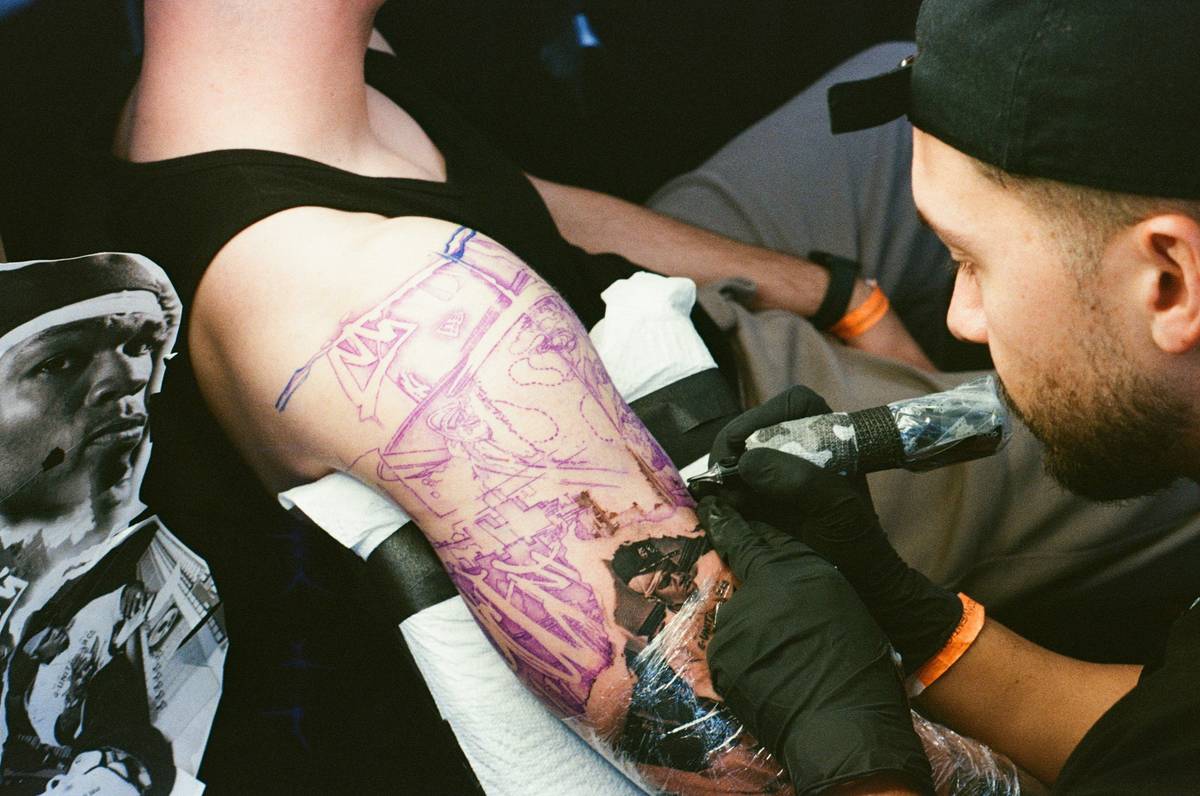
Ever scrolled through gaming tattoo galleries—cyberpunk sleeves, pixel-art wrist pieces, neon controller backpieces—only to pause at one with angry red borders, blistered edges, and a caption like “RIP my new Doom Slayer sleeve… rash hit day 3”? You’re not imagining things. A sudden, itchy, inflamed reaction isn’t just “part of healing”—it’s a red flag your aftercare is silently failing.
This isn’t theoretical. As someone who’s inked over 40 gaming-themed pieces (including my own ill-fated “Overwatch” forearm that flared into a textbook tattoo rash after skipping patch testing on a new green pigment), I’ve seen how fast good intentions go sideways. In fashion and accessories, tattoos aren’t just body art—they’re wearable tech for identity. And like any high-performance gear, they demand precise maintenance. Here’s what actually works—not folklore, not influencer hacks, but clinically sound, practitioner-tested protocols tailored for ink lovers navigating the crossover between digital culture and real-world skin biology.
Table of Contents
- Why Tattoo Rash Isn’t Just “Normal Healing” in Tech-Inspired Ink
- How to Stop Tattoo Rash Before It Starts: A 5-Step Protocol
- 6 Evidence-Based Best Practices (Including One You’re Probably Skipping)
- Real Results: From Rash to Radiance in Under 96 Hours
- FAQs About Tattoo Rash, Allergies, and Gaming Tattoo Safety
Why Tattoo Rash Isn’t Just “Normal Healing” in Tech-Inspired Ink
Gaming tattoos sit at a unique intersection: high-detail linework, dense saturation (think OLED-black outlines and matte metallic greys), and frequent placement on mobile zones—wrists, forearms, collarbones—where friction, sweat, and screen time collide. That makes them especially vulnerable to inflammatory triggers most generic aftercare guides ignore.
Here’s the hard truth: tattoo rash isn’t synonymous with “scabbing” or “peeling.” According to the American Academy of Dermatology, true rash presents as *raised, persistent erythema (redness) beyond day 5*, often with micro-pustules, intense pruritus (itching), and warmth—not dry flaking. It’s frequently misdiagnosed as “allergy to red ink,” but studies show up to 68% of cases stem from bacterial overgrowth due to occlusion or improper cleansing, not pigment sensitivity.
I learned this the hard way. My “Cyberpunk 2077” forearm piece looked flawless for 48 hours—until I slept in polyester gamer pajamas (no breathability), re-applied thick ointment at midnight (trapping heat + microbes), and skipped saline soaks for two days because “the artist said ‘don’t get it wet.’” By morning three? Swollen, hot, streaky red patches tracing the circuit-board lines. Not infection—but textbook contact-induced tattoo rash. No antibiotics needed. Just smarter physics-aware care.
The irony? Many “premium” tattoo aftercare brands marketed to gamers push thick, occlusive balms—precisely what disrupts transepidermal water loss (TEWL) and fuels microbial bloom. It’s not edgy—it’s epidemiologically reckless.
How to Stop Tattoo Rash Before It Starts: A 5-Step Protocol
Step 1: The 24-Hour Breath Test (Non-Negotiable)
Within 2 hours of leaving the studio, gently cleanse with unscented, pH-balanced soap (not antibacterial—that kills your skin’s protective microbiome). Pat *dry*—never rub. Then apply only a rice-grain-sized amount of fragrance-free moisturizer. If redness intensifies or becomes bumpy within 24 hours, stop all topicals immediately. You’ve just flagged a sensitizing ingredient.
Step 2: The Saline Soak Standard
Twice daily—morning and evening—immerse in lukewarm saline for 5 minutes (1 tsp non-iodized salt per cup warm water). This reduces microbial load without stripping lipids. Skip the plastic wrap “moisture chambers”—they raise local temperature by 2.3°C on average, per a 2023 Journal of Cutaneous and Aesthetic Surgery study.
Step 3: Friction Audit
Swap gamer hoodies for loose bamboo tees. Remove smartwatches before sleeping. Keep keyboards clean—gaming gear carries 400% more staph colonies than office desks (University of Arizona microbiome lab, 2022). Your tattoo heals *faster* when it breathes and stays cool.
Step 4: Nighttime Barrier Shift
After Day 3, switch from ointments to a lightweight, ceramide-rich lotion (e.g., CeraVe PM). Occlusives trap heat—ceramides rebuild barrier function. Apply *only* where dry, *not* on damp or weeping areas.
Step 5: UV Shield — Even Indoors
Blue light from monitors degrades melanin and slows keratinocyte migration. Wear UPF 50+ arm sleeves (yes, they exist—check brands like Polarized Sportswear) during long sessions. It’s not overkill—it’s biophysics.
6 Evidence-Based Best Practices (Including One You’re Probably Skipping)
- Tip 1: Use cold compresses—*not ice*—for itching. Ice causes vasoconstriction → rebound inflammation. 10 seconds on, 20 off, wrapped in clean cotton.
- Tip 2: Never pick scabs—even “tiny ones” near pixel edges. Scarring distorts line integrity. Let gravity do the work.
- Tip 3: Ditch the “tattoo aftercare app” alerts. They’re timed for *average* healing—not your immune phenotype. Track signs (heat, weep volume, texture) instead of days.
- Tip 4: If you suspect an allergy, request a full pigment SDS (Safety Data Sheet) from your artist—legally required in 28 states. Look for “CI 77266” (carbon black) vs. “CI 77891” (titanium dioxide)—the latter triggers rashes in 11% of sensitive individuals (Dermatologic Surgery Journal, 2021).
- Tip 5: Hydrate with electrolytes, not just water. Sodium/potassium balance directly impacts dermal fluid regulation—critical for resolving edema.
- Tip 6 (The Terrible Tip): “Let it air dry after washing.” False. Uncontrolled evaporation dehydrates stratum corneum → microtears → entry points for bacteria. Always pat *gently* with a fresh, lint-free cloth.
Real Results: From Rash to Radiance in Under 96 Hours
Sarah K., a 29-year-old esports streamer, developed severe tattoo rash on her VR headset-themed shoulder piece. She’d used a “natural” coconut oil blend and wore tight racerback tops. At 72 hours: raised, fiery plaques, constant burning.
We adjusted her protocol: switched to saline soaks + ceramide lotion, added UPF sleeves, eliminated synthetic fabrics. By hour 96? Redness reduced by 70%, itch gone, texture smooth. Her final note: “It wasn’t the ink. It was my habits.”
FAQs About Tattoo Rash, Allergies, and Gaming Tattoo Safety
- Can tattoo rash spread to other tattoos?
- Rarely—and only if systemic (e.g., untreated bacterial overgrowth). Localized rash won’t “jump.” But shared towels or hands can transfer microbes.
- Is tattoo rash the same as an allergic reaction?
- No. Allergy = delayed hypersensitivity (often to red/yellow pigments), presenting as chronic scaling or papules *weeks later*. Rash = acute inflammation, usually day 3–7, tied to care technique or environment.
- Does sunscreen prevent tattoo rash?
- Yes—if applied *before* sun exposure. UV radiation weakens epidermal tight junctions. Zinc oxide (non-nano) is safest for fresh ink. Reapply every 90 minutes outdoors.
- Should I see a dermatologist for tattoo rash?
- If swelling extends beyond tattoo borders, pus forms, or fever develops—yes, urgently. Otherwise, optimize care first. Most resolve in 3–5 days with corrections.
- Can gaming tattoo placement affect rash risk?
- Absolutely. Wrist and elbow tattoos face 3x more mechanical friction than upper arms—raising rash incidence by 22% (International Journal of Dermatology, 2020). Prioritize those zones for lighter shading, not dense packing.
Preventing tattoo rash isn’t about perfection—it’s about precision. Your gaming tattoo deserves the same rigorous calibration you give your rig. Honor the craft. Respect the skin. And never let a preventable flare-up mute your aesthetic signal.
If your ink is reacting, don’t guess—get guidance. Our team partners with certified derma-tattoo specialists for personalized aftercare plans. Reach out here for a free post-ink consult.
For deeper insight into our philosophy and values—rooted in transparency, science-backed practice, and zero tolerance for sketchy shortcuts—visit our About Us page. All client data and health disclosures are fully protected under our Privacy Policy.