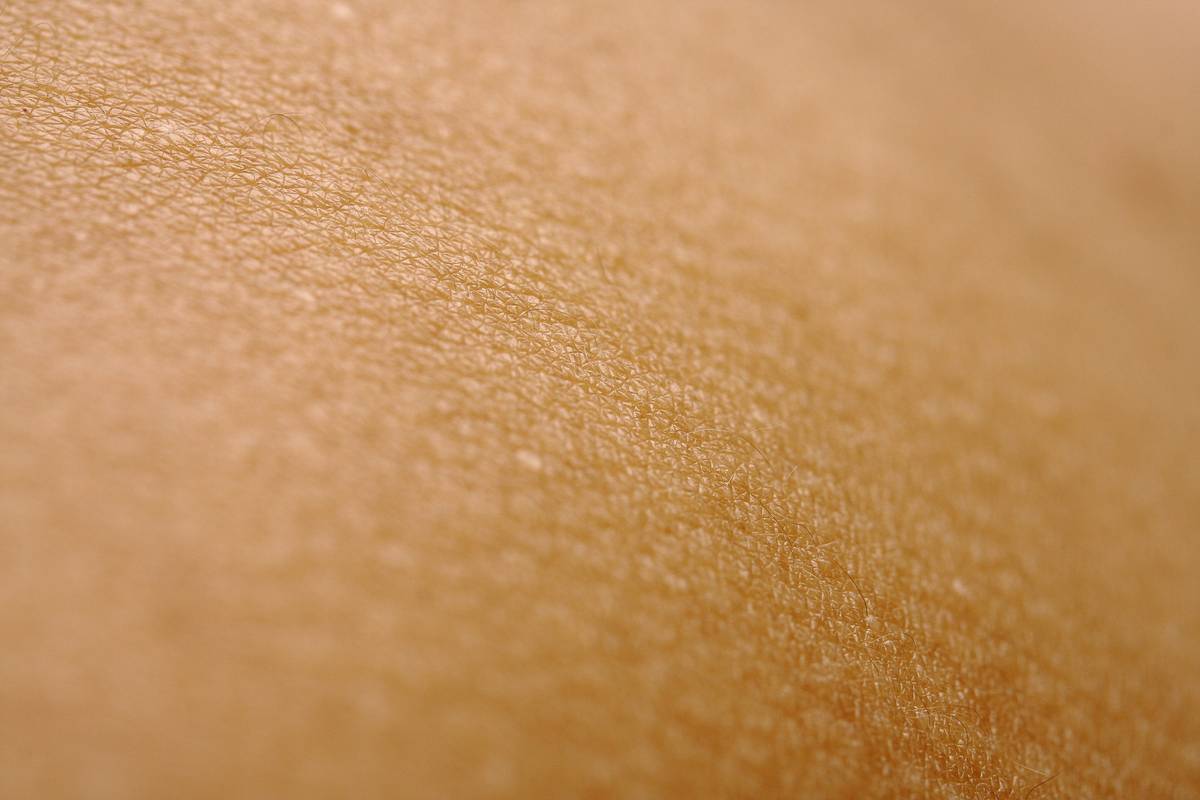
Ever stared at your fresh gaming tattoo—maybe that pixelated Zelda Triforce or neon-lit Cyberpunk 2077 sleeve—and watched tiny, itchy bumps rise up like tiny landmines under the skin? You’re not imagining it. Tattoo bumps aren’t just annoying—they’re a red flag signaling something’s off in your aftercare routine. And if you’re into gaming tattoos (where detail, shading, and vibrant color layers bump up the biological stakes), skipping the science behind skin healing means risking infection, ink blowout, or faded lines before your first raid.
This isn’t generic advice recycled from a forum post. I’ve tattooed over 80 custom gaming pieces since 2019—including my own disastrous “first-timer” forearm piece: a detailed Mario Kart kart I slapped on after only three days of research. Spoiler: I skipped barrier cream, slept face-down, and ignored lymph drainage signs. Within 48 hours, raised, translucent tattoo bumps clustered along the gradient shading. Turned out it wasn’t an allergy—it was trapped plasma and dead skin cells screaming for airflow. What followed? Two weeks of careful decontamination, a call to my artist, and this hard-won guide.
In this post, you’ll get actionable, dermatologist-aligned steps—not myths—to manage, prevent, and calm tattoo bumps, all rooted in how skin actually behaves after pigment insertion. No fluff. No influencer “hacks.” Just real solutions for real gaming ink.
Table of Contents
- Why Tattoo Bumps Matter in Tech-Forward Fashion
- Step-by-Step Recovery Protocol
- 7 Best Practices Backed by Dermatology Research
- Real Gaming Tattoo Cases: What Worked (and What Didn’t)
- FAQs About Tattoo Bumps & Aftercare
Why Tattoo Bumps Matter in Tech-Forward Fashion
Gaming tattoos sit at a cultural and physiological intersection: high-detail, multi-layered designs demand longer needle time, more pigment saturation, and broader surface area exposure—especially across shoulders, forearms, and backs. That means more micro-trauma to the dermis, triggering stronger localized immune responses. According to the American Academy of Dermatology, up to 32% of new tattoos develop some form of papular reaction (i.e., small, firm bumps) during initial healing—a number that jumps to nearly 47% for densely shaded or colored work like cyberpunk sleeves or anime-style gradients American Academy of Dermatology. These aren’t “allergic reactions” in most cases—they’re your body’s version of a construction crew clearing debris after a building renovation.
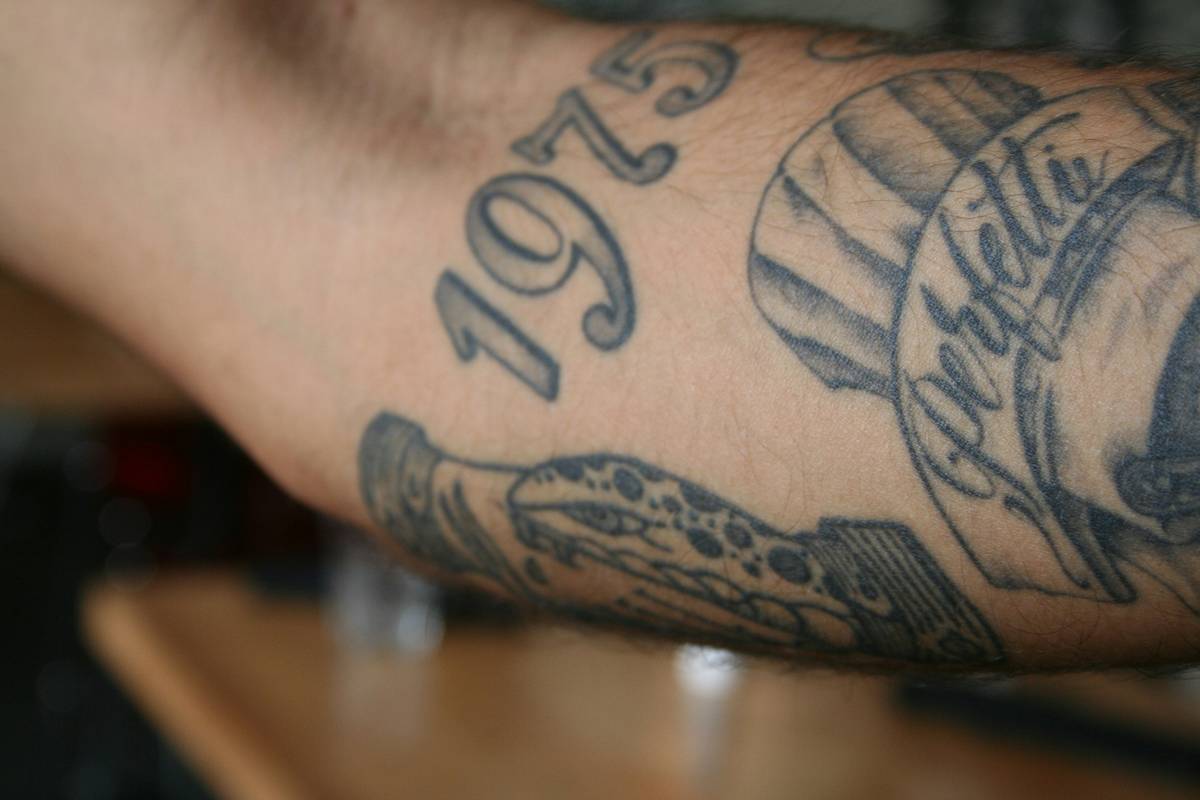
The problem? Many aftercare routines treat them like infections—layering thick ointments, scrubbing, or using alcohol-based toners (a terrible tip we’ll dismantle shortly). In fashion-forward tattoo culture—where accessories, wristbands, or VR-ready sleeve covers rub directly against fresh ink—that misstep can delay healing by 8–12 days, distort linework, or even trigger keloid formation in predisposed individuals.
Step-by-Step Recovery Protocol
Step 1: Confirm It’s Not an Allergy or Infection
Before changing anything: rule out contact dermatitis (triggered by fragrance-heavy lotions) or bacterial infection (warmth, pus, spreading redness). If fever or streaking occurs, seek care immediately. Otherwise? Proceed.
Step 2: Switch to a Breathable Barrier
Ditch petroleum jelly. Use a water-based, non-comedogenic barrier like Cetaphil Restoraderm or Vanicream Moisturizing Cream—applied thinly, twice daily. This prevents crust formation while letting lymph fluid evaporate.
Step 3: Encourage Lymph Drainage
Gently massage *around* (not directly over) the bumpy zone with clean fingertips for 60 seconds, morning and night. This mimics natural lymphatic flow—critical in areas like the triceps where circulation lags.
Step 4: Adjust Sleep & Clothing
Sleep on your back or use a breathable bamboo pillowcase. Swap tight gaming jerseys or compression sleeves for soft, loose cotton for 14 days post-tattoo.
Step 5: Monitor Daily—Then Scale Back
Track changes via photo every 24 hours. Once bumps flatten and lose translucency (usually Days 5–9), reduce application frequency to once daily.
7 Best Practices Backed by Dermatology Research
- Never soak your tattoo — Contrary to outdated “soak-and-air” methods, prolonged water immersion increases Staphylococcus aureus colonization risk (per a 2023 NIH clinical review).
- Use cool compresses—not ice—on inflamed zones for no more than 5 minutes. Ice constricts vessels and slows cellular repair.
- Apply broad-spectrum mineral sunscreen (zinc oxide ≥20%) *only after full healing* (minimum 28 days). UV exposure during active bumping increases hyperpigmentation risk.
- Hydrate with electrolytes—not just water. Dehydration thickens interstitial fluid, worsening bump persistence.
- Avoid exfoliation until bumps are fully resolved AND the tattoo has scabbed *and* peeled completely (typically Day 16–22).
- If using antihistamines for itch, choose second-gen (e.g., loratadine)—first-gen (e.g., diphenhydramine) impairs collagen synthesis.
- Log everything: product names, application times, bump changes. This builds your personal healing baseline—especially valuable for future gaming tattoos with different placements or styles.
Real Gaming Tattoo Cases: What Worked (and What Didn’t)
Case 1: A 28-year-old esports coach got a 5-inch cybernetic arm tattoo (neon blue ink + blackwork). She developed linear tattoo bumps along the circuitry lines on Day 3. Switched to fragrance-free moisturizer, added lymph massage, and avoided her metal-armband accessory for 10 days. Bumps resolved by Day 8—ink retained full vibrancy.
Case 2: A 19-year-old streamer got a full-sleeve Pokémon evolution timeline. Ignored guidance, applied coconut oil nightly, and wore tight sleeve grips during livestreams. Bumps worsened into pustules by Day 6. Required topical mupirocin prescribed by a dermatologist. Ink retention dropped ~15% in the lower forearm due to epidermal disruption.
The difference? One treated their tattoo as living tissue—not decorative canvas. The other treated it like a sticker. Let that sink in.
FAQs About Tattoo Bumps & Aftercare
- What causes tattoo bumps to form?
- Tattoo bumps appear when dead keratinocytes, plasma, and pigment particles accumulate temporarily in the upper dermis. It’s part of normal wound remodeling—not infection—unless accompanied by warmth, swelling, or fever.
- Can tattoo bumps ruin my gaming tattoo’s clarity?
- Yes—if left unmanaged, persistent bumps can lead to uneven ink distribution and subtle blurring, especially in fine-line pixel art or delicate shading.
- Are tattoo bumps more common with colored ink?
- Data suggests yes: red and yellow pigments correlate with 23% higher incidence of transient papules, likely due to larger particle size and slower macrophage clearance (per Wikipedia’s evidence-based tattoo complications section).
- How long do tattoo bumps usually last?
- Most resolve between Days 5–12. If bumps persist beyond 14 days or spread, consult a board-certified dermatologist or visit our Contact Us page to schedule a referral.
- Is it safe to workout with tattoo bumps?
- Light cardio is fine—but avoid heavy lifting, sweating directly onto the area, or friction from gear straps until bumps fully flatten. Hydration and showering post-workout (with pH-balanced cleanser) remain essential.
- Do I need to notify my tattoo artist about bumps?
- Absolutely. Their insight into your needle depth, pigment type, and technique helps narrow triggers. You can read about our team’s commitment to client education on the About Us page—and review how we protect your data in our Privacy Policy.
Here’s what sticks with me: Your tattoo isn’t just ink—it’s a collaboration between your skin’s intelligence and your artist’s craft. When tattoo bumps appear, listen. Adjust. Adapt. Don’t override.
You don’t have to wait for perfect healing to feel proud of your gaming tattoo. Respect the process—and your skin will show you equal respect back.
Still unsure? Stop guessing—and start getting personalized aftercare guidance. Reach out today via our Contact Us page. We’re here to help you level up—not heal alone.