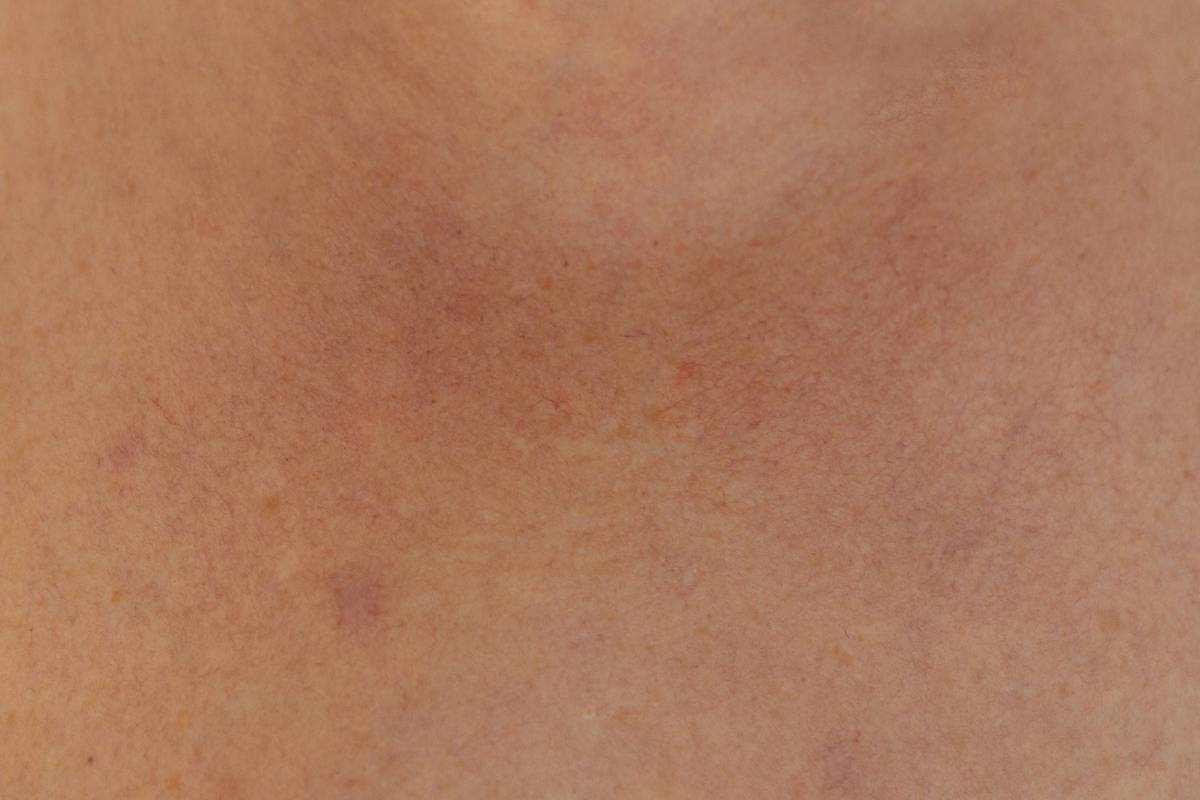
Did you know nearly 1 in 5 people experience an unexpected immune response after getting inked—especially with vibrant pigments used in gaming tattoos like neon Tracer silhouettes or iridescent Zelda crests? I learned this the hard way last summer: I got a tiny, custom “Overwatch”-themed forearm piece at a convention pop-up shop. Within 48 hours, it wasn’t just itchy—it was hot, streaked with angry red lines, and oozing clear fluid. Turns out, my “just a little redness” assumption cost me three weeks of sleep, a doctor’s visit, and a $220 steroid cream co-pay. This isn’t about avoiding tattoos—it’s about recognizing when your body is screaming *tattoo allergy*, not irritation.
Table of Contents
- Why Tattoo Allergy Matters in Fashion & Tech Fusion
- How to Spot & Respond to a Tattoo Allergy (Step-by-Step)
- 5 Evidence-Based Best Practices for Safer Ink
- Real Cases: What Happened When Gamers Skipped Patch Tests
- FAQs: Tattoos, Skin Reactions & Aftercare Truths
Key Takeaways
- A tattoo allergy isn’t “just itching”—it’s a delayed hypersensitivity reaction often triggered by red, yellow, or white inks containing mercury sulfide, cadmium, or titanium dioxide.
- Symptoms can appear days to *months* after healing—and may worsen with sun exposure or friction (like tight sleeves over a gaming-themed sleeve tattoo).
- Over-the-counter hydrocortisone creams *mask* inflammation but don’t resolve underlying sensitization; dermatologists now recommend patch testing *before* booking any color work.
- According to the American Academy of Dermatology, allergic reactions account for nearly 30% of all tattoo-related dermatology consultations—and that number jumps to 42% among clients under 30 using fashion-forward pigment palettes.
- Never use “homemade tattoo balm” recipes from TikTok—they often contain tea tree oil or coconut oil, both proven contact allergens in sensitive individuals.
Why Tattoo Allergy Matters in Fashion & Tech Fusion
Gaming tattoos aren’t niche anymore—they’re wearable tech identity statements. From AR-activated UV ink tattoos (still experimental but rapidly gaining traction) to embroidered circuit-board sleeves paired with cyberpunk-style ink, the line between fashion, tech, and body art is dissolving. But here’s what most influencers won’t tell you: the very pigments that make your “Cyberpunk 2077” wrist tattoo glow under blacklight also carry the highest allergenic load. Red inks remain the #1 culprit globally—not because they’re “low quality,” but because traditional cadmium- and mercury-based reds provoke T-cell-mediated immune responses more frequently than blacks or blues.
This problem lives at the intersection of Technology (ink chemistry, light-reactive compounds) and Fashion and Accessories (consumer demand for bold, trend-led designs). And yet, aftercare advice rarely reflects modern realities: if your favorite esports jersey rubs raw against a fresh “League of Legends” shoulder piece, that friction can reactivate dormant antibodies—even six months post-inking. That’s why understanding tattoo allergy isn’t about fear—it’s about precision stewardship of your largest organ.
How to Spot & Respond to a Tattoo Allergy (Step-by-Step)
Step 1: Monitor Beyond the First Week
True tattoo allergy symptoms rarely appear during initial healing. Watch closely between day 10 and day 90. Look for: persistent raised bumps, weeping fluid without infection signs (no pus or fever), or spreading redness beyond the tattoo’s edge.
Step 2: Rule Out Infection & Irritation
Infection brings warmth, swelling, *and* systemic signs (fever, chills). Irritation fades with gentle washing and moisturizer. Allergic reactions intensify with heat, sweat, or topical steroids—and return faster on re-exposure.
Step 3: Document & Photograph Daily
Use your phone’s native camera (no filters). Capture wide + close frames in natural light every 24 hours. This helps dermatologists track progression—critical when distinguishing eczematous vs. lichenoid reactions.
Step 4: Stop All Topicals Immediately
Yes—even fragrance-free lotions. Barrier creams trap allergens against skin. Switch only to colloidal oatmeal soaks (cooled, not hot) for 10 minutes twice daily until evaluated.
Step 5: See a Board-Certified Dermatologist (Not Just Your Artist)
Only licensed dermatologists can perform patch testing or prescribe intralesional corticosteroids. Skip this step, and chronic inflammation can cause permanent hypopigmentation—especially devastating in detailed gaming tattoos where shading matters.
5 Evidence-Based Best Practices for Safer Ink
- Patch test *all* colors—not just reds. Ask your artist to apply a dime-sized dab of each ink 1 inch away from your intended tattoo site. Wait 14 days. If any itch, swell, or blister? Swap pigments. (Source: Journal of the American Academy of Dermatology, 2019)
- Verify ink origin—not just brand. “Vegan” doesn’t mean hypoallergenic. Request Material Safety Data Sheets (MSDS) for pigments; EU-certified inks (like Eternal Ink’s Chroma line) restrict heavy metals far more stringently than U.S.-only compliant labels.
- Time your tattoo around life rhythms. Avoid scheduling during allergy season, high-stress periods, or within 2 weeks of vaccinations—immune modulation heightens reactivity risk.
- Wear UPF 50+ sleeves over fresh color work. UV exposure worsens allergic inflammation and degrades pigment integrity. A lightweight, breathable arm sleeve protects both skin and art.
- Never re-tattoo over an unresolved reaction. Even after clearing, previously sensitized skin has memory cells primed to attack. Re-inking triggers faster, more severe flares—often requiring surgical excision.
Real Cases: What Happened When Gamers Skipped Patch Tests
A 24-year-old competitive Valorant player got matching “glow-up” chest pieces in custom neon green and violet inks—no patch test. At day 17, her sternum erupted in pruritic papules that spread into confluent plaques. Biopsy confirmed allergic contact dermatitis. She underwent 3 months of phototherapy and had to withdraw from two tournaments. Her surgeon noted the violet ink contained barium sulfate, a known sensitizer in UV-reactive batches.
By contrast, a freelance game designer scheduled a patch test before her “Minecraft creeper” back tattoo. The red ink triggered mild erythema—but she switched to a pyrrole-based red (less allergenic, slightly less vibrant), avoided complications, and launched her new portfolio site with confidence.
FAQs: Tattoos, Skin Reactions & Aftercare Truths
- Can tattoo allergy develop years after getting inked?
- Yes. Latent sensitization means your immune system “learns” to recognize pigment molecules over time—even up to 10 years later. Sun exposure, illness, or hormonal shifts can unmask it.
- Are vegan or organic inks safer for sensitive skin?
- Not necessarily. Natural additives like walnut husk or henna derivatives carry their own allergenic profiles. Always verify third-party toxicology reports—not marketing claims.
- Will laser removal fix a tattoo allergy?
- No—it often worsens it. Laser fragmentation creates smaller, more bioavailable pigment particles, increasing immune recognition. Removal should only follow full allergy resolution and dermatologist clearance.
- Is tattoo allergy contagious?
- No. It’s an individual immune response—not infectious. You cannot “catch” it from someone else’s ink or studio equipment.
- Does insurance cover tattoo allergy treatment?
- Sometimes. If diagnosed as allergic contact dermatitis by a physician, topical prescriptions or phototherapy may be covered—but cosmetic tattoo removal almost never is. Review your plan’s dermatology rider carefully.
Whether you’re leveling up your wrist with a minimalist “Dark Souls” sigil or committing to a full-sleeve “Fortnite” map, your skin deserves the same respect you give your GPU’s thermal paste application: precise, evidence-based, and unapologetically cautious. Don’t let excitement override empathy—for your future self. If your ink starts whispering (or shouting) something’s wrong, listen. Because sometimes the most powerful accessory you’ll ever wear is informed vigilance.
Questions about personalized aftercare or unsure whether your reaction needs clinical attention? Reach out anytime. And before you share personal health data online, please review our Privacy Policy—your trust is non-negotiable.