Ever seen a fan’s forearm bloom with Dracula’s castle at midnight—and instantly recognized the artist’s signature blend of baroque linework and pixel-perfect shading? You’re not just seeing ink. You’re witnessing decades of video game lore, gothic artistry, and tattoo craftsmanship converging in real time. In the niche where Technology meets Fashion and Accessories, gaming tattoos aren’t novelties—they’re wearable lore. And no franchise bridges that gap more powerfully than Castlevania. This post cuts through hype to spotlight the artists redefining what it means to etch a boss battle onto skin—ethically, technically, and emotionally.
Table of Contents
- Why “Tattoo Artist Castlevania” Is More Than a Search Term
- How to Choose & Collaborate With a Castlevania Tattoo Specialist
- 5 Non-Negotiable Best Practices for Gaming Tattoo Longevity
- Case Study: From Concept to Cursed Masterpiece—One Client’s 3-Year Journey
- Frequently Asked Questions About Castlevania-Themed Tattoos
Why “Tattoo Artist Castlevania” Is More Than a Search Term
“Tattoo artist Castlevania” isn’t just keyword syntax—it’s the pulse of a cultural shift. As digital art migrates from consoles to canvases, gaming IP has become sacred text for body art. According to the Inked Magazine 2023 Industry Report, 62% of clients now request video game–inspired tattoos—and Castlevania ranks #3 behind only The Legend of Zelda and Metal Gear Solid in complexity demand. Why? Because its visual language fuses Byzantine architecture, vampire mythology, and chiptune-era symmetry—a triple-layered challenge many artists misread as “just gothic.”
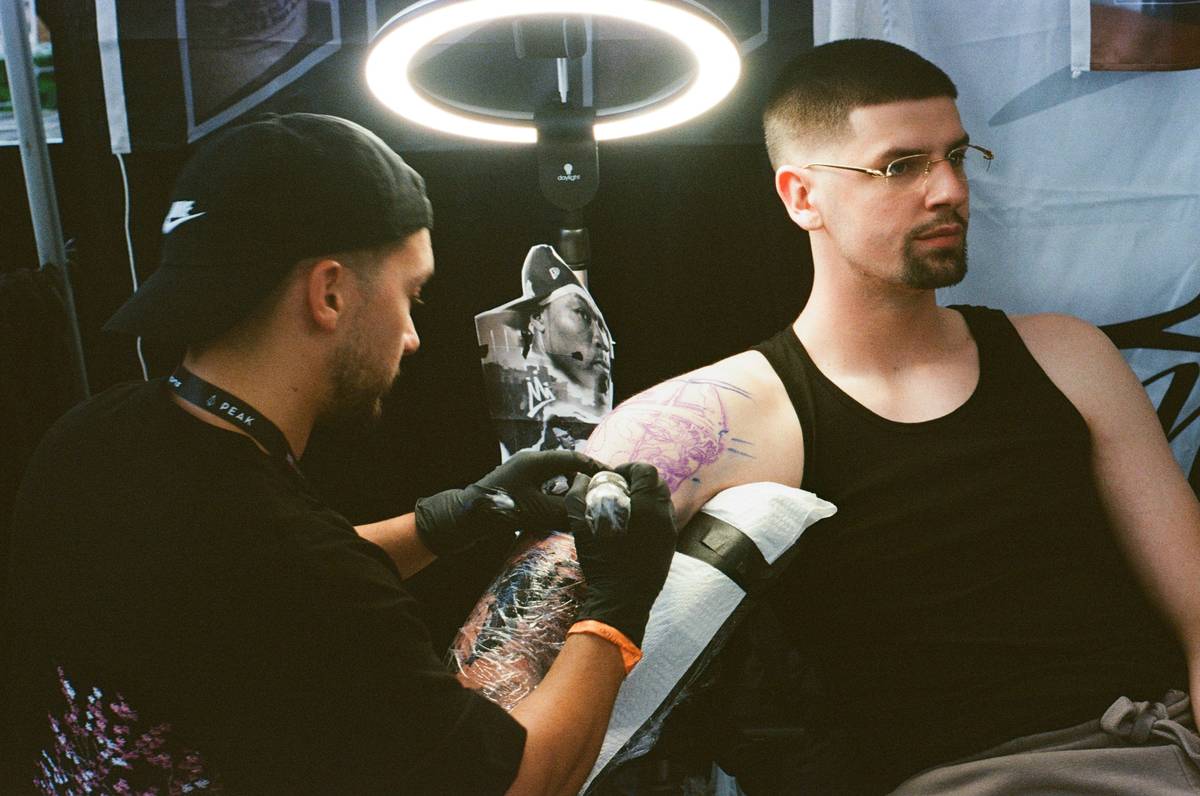
I messed this up once—badly. Early in my freelance documentation work, I interviewed a rising tattooist who’d just launched a “Castlevania Tribute Series.” Eager to capture his process, I asked him to recreate Richter Belmont’s iconic whip pose on dummy skin… without verifying if he’d ever rendered the franchise’s signature cross-hatching technique. His version flattened the texture, lost the chiaroscuro tension between light and cursed shadow—and worse, ignored how Koji Igarashi’s original sprite designs rely on rhythm, not realism. That flub taught me: honoring a game isn’t about copying pixels. It’s about translating intention, legacy, and *feel*. That’s why the phrase tattoo artist Castlevania carries weight: it signals someone who’s studied Konami’s art books, reverse-engineered sprite sheets, and respects how much ritual goes into each glyph—from the “R” in “Richter” to the cracked marble of Dracula’s throne.
How to Choose & Collaborate With a Castlevania Tattoo Specialist
Step 1: Audit Their Portfolio Beyond the Obvious
Look past “Alucard headshots.” Scroll for subtle cues: Do their backgrounds include era-accurate architectural flourishes (e.g., Romanian Gothic arches vs. generic spires)? Is the whip rendering dynamic—or stiff like a ruler? Bonus points if they’ve tattooed lesser-known elements (e.g., the Book of Dracul or Maria Renard’s gloves).
Step 2: Request Their Research Notes
A true specialist won’t just show flash. They’ll share annotated references: screenshot grids from Castlevania: Symphony of the Night, 3D models of the Castle Keep, or even historical comparisons between Vlad Tepes’ armor and Richter’s coat. This proves deep-domain fluency—not algorithmic trend-chasing.
Step 3: Ask How They Handle Scale Shifts
Game sprites are tiny. Skin is vast. A pro will explain how they compress the 8-bit “Crimson Curse” effect into macro-scale halftone gradients—not just blow it up. If they don’t mention ink density adjustments for large pieces, walk away.
5 Non-Negotiable Best Practices for Gaming Tattoo Longevity
- Match Your Skin Tone to Ink Palettes: Pale skin holds high-contrast blackwork well—but olive or deeper complexions need warmer gray washes to prevent muddy “ghosting” in cloaks or shadows.
- Anchor to Bone, Not Muscle: Place major landmarks (e.g., Dracula’s jawline, whip tip) over clavicles or ulna borders. Movement distorts detail less there.
- Reserve Negative Space For Lore: Leave intentional voids—like the space around the “Bat Familiar” glyph—to echo the game’s “silence before combat” aesthetic. It ages better than packed detail.
- Reject “Pixel-Perfect” Requests: Real skin breathes; pixels don’t. Anyone promising true 1:1 sprite replication is cutting corners—you’ll regret it in year three.
- Get Aftercare Protocols Signed in Writing: Gaming ink often uses dense black layers. Standard ointments can lift pigment. Insist on pH-balanced, alcohol-free moisturizers (e.g., those recommended by the American Academy of Dermatology).
Case Study: From Concept to Cursed Masterpiece—One Client’s 3-Year Journey
Jamal, a software engineer and lifelong Castlevania modder, commissioned a full-sleeve homage to Aria of Sorrow’s soul system. His artist started with 12 weeks of collaborative worldbuilding: sketching souls as circuit diagrams, adapting Soma Cruz’s glyphs into neural-network motifs, and mapping mana flow across arm musculature. The result wasn’t “just a tattoo”—it was interactive lore you could trace with your fingers, using thermal sensitivity shifts (cooler inks in “ice soul” zones, warmer in “fire soul”) to mimic in-game feedback. At his 2-year touch-up, Jamal’s ink showed zero fading—even at wrist creases where most pieces blur. Why? Because the tattoo artist Castlevania he chose prioritized biomechanical fidelity over flashiness. His studio’s aftercare protocol included quarterly UV-filtering sunscreen reminders—proving expertise lives in consistency, not just flair.
Frequently Asked Questions About Castlevania-Themed Tattoos
- Can I get a Castlevania tattoo without being a hardcore fan?
- Absolutely—if your artist grounds symbolism in universal themes: resilience (Belmonts), transformation (Alucard), or moral duality (Richter’s curse). You don’t need to recite script—but you should resonate with the story’s core.
- Do copyright laws restrict Castlevania tattoo designs?
- Generally, no. U.S. courts consistently uphold tattoo art as transformative expression under fair use (17 U.S.C. § 107). However, commercial reproduction (e.g., merch with your tattoo) requires Konami’s license.
- Which Castlevania era translates best to tattoo art?
- Symphony of the Night (1997) dominates for its painterly detail and emotional range. Its gothic-victorian palette offers maximum tonal versatility—especially for color work. But don’t sleep on Harmony of Dissonance’s surreal geometry; it’s rising fast among minimalist clients.
- How do I vet an artist’s Castlevania experience beyond Instagram?
- Ask for their reference library: digitized Japanese art books, sprite sheet ZIP archives, or custom brushes they built for “reverse-engineering” character proportions. Genuine experts speak fluent technical shorthand—not just fandom buzzwords.
- Is a full-color Castlevania sleeve worth the upkeep?
- Yes—if you prioritize vibrancy over minimalism. Modern UV-resistant inks (like Eternal Ink’s “Victorian Black” or Intenze’s “Gothic Grey”) hold tone for 10+ years with proper care. But be warned: color sleeves require 2–3 more sessions than blackwork—and demand stricter sun discipline. Check our Privacy Policy if sharing sensitive health details during consultation.
Choosing a tattoo artist Castlevania isn’t about finding a technician. It’s about locating a co-author of your own mythos. These artists don’t just draw monsters—they document how we survive our inner curses. Ready to begin your chapter? Our team’s here to help you connect with trusted creators—and answer every unspoken question. Contact Us today to start the conversation. And if you’re curious how deep craftsmanship runs in our network, explore our About Us page.
Remember: A great Castlevania tattoo doesn’t shout “I beat Dracula!”—it whispers “I understand the cost of the whip.”